Skip to content
2950 Lexington Ave S, Eagan, MN sales@bellintlabs.com (612) 721-3976
Mon–Fri · 8:00 AM – 5:00 PM CT LinkedIn
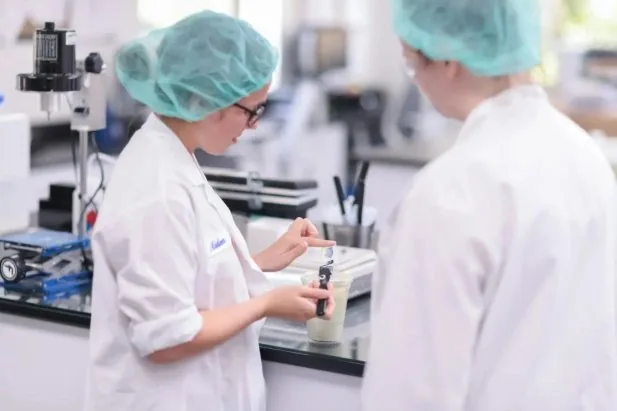
Bell analyst preparing samples for testing

In-house cosmetic testing & quality control

With approximately 85% of our current manufacturing as OTC products, our analytical laboratory’s capabilities encompass the entire range of testing and methodology validation required for full-service product development.
~85%Of manufacturing is OTC
USP 51Preservative efficacy testing

FDA-registered facility · NSF certified organic through QAI · Health Canada registered · GRMA certified · Minnesota Board of Pharmacy license · Vertically integrated

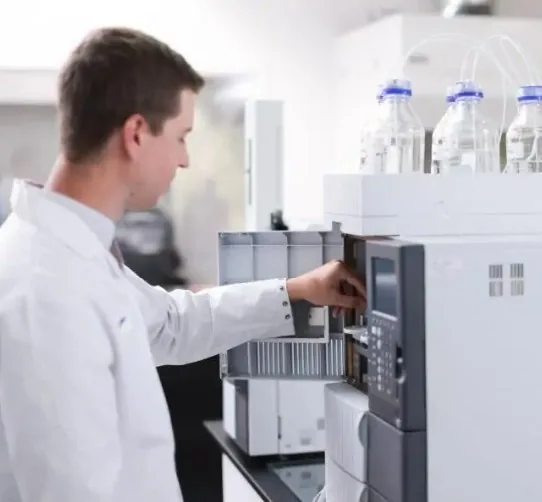
Bell analyst operating an HPLC instrument
Analytical laboratory

Powerful analytical lab capabilities

Our analytical laboratory allows for the identification and quantification of ingredients within our formulas. It is used at all points in our company — R&D formulation, raw material evaluation, vendor validation, accelerated and 3-year longitudinal stability testing, in-process bulk testing and finished good testing.

  • HPLC (liquid chromatography)
  • GC and GC-MS (gas chromatography)
  • Ion chromatography
  • UV-Vis spectrophotometry
  • FTIR spectroscopy
  • TOC analyzer
  • Autotitration
  • EDX for titanium dioxide & zinc oxide
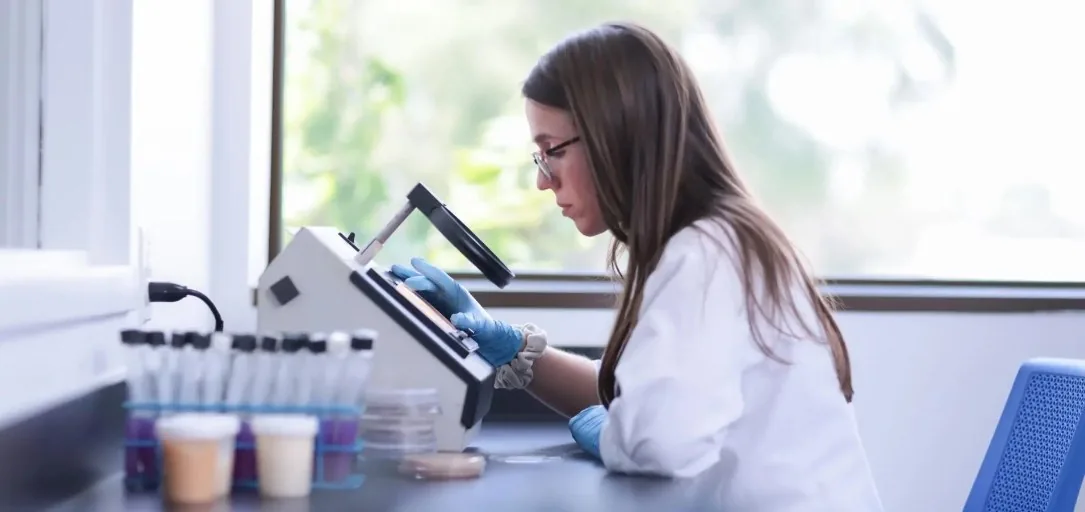
Bell lab technicians at work
Microbiology

In-house microbiology testing

Starting at the development stage, our in-house microbiology laboratory runs Preservative Efficacy Testing (PET) to confirm that the preservative system protects the product throughout its shelf life.

Our microbiology program covers established and in-development USP methods, using both traditional and rapid microbiological methods.

  • USP 51 — antimicrobial effectiveness testing (PET)
  • USP 60 — tests for Burkholderia cepacia complex
  • USP 61 — microbial enumeration tests
  • USP 62 — tests for specified microorganisms
Testing programs

Quality checks at every stage

Checks are built into every stage of manufacturing, from incoming inspection of components to releasing bulk product for filling.

01

Preservative efficacy & microbiological testing

PET measures the effectiveness of antimicrobial preservatives in the formula. Microbiological testing follows USP methods.

02

OTC accelerated drug stability

Using FDA guidelines, OTC products undergo stability testing to establish expiration dating and storage — in accordance with current FDA, ICH and cGMP guidelines.

03

Product stability & packaging compatibility

Performed alongside accelerated stability: environmental factors, temperature changes, packaging compatibility and storage conditions are reviewed to confirm stability.

04

Raw materials & finished product testing

All raw materials are evaluated according to established quality parameters prior to approval and use. Finished products are evaluated for all specifications before release.

05

Quality control involvement

We take quality seriously. Checks are built into every stage of the manufacturing process, ensuring filling produces the quality product expected.

FAQ

Cosmetic testing & quality FAQ

What testing does Bell perform in-house?

We run analytical, microbiology, stability and packaging compatibility testing in-house, along with raw material, in-process bulk and finished product testing. Approximately 85% of our current manufacturing is OTC products, so our laboratory covers the full range of testing and methodology validation.

Do you offer preservative efficacy testing (USP 51)?

Yes. Our in-house microbiology laboratory runs Preservative Efficacy Testing (PET) from the development stage. Our microbiology program covers established and in-development USP methods — USP 51, 60, 61 and 62 — using both traditional and rapid microbiological methods.

How do you test the stability of OTC products?

OTC products undergo accelerated drug stability testing to establish expiration dating and storage, in accordance with current FDA, ICH and cGMP guidelines. We also run 3-year longitudinal stability and packaging compatibility testing.

Which analytical instruments does your laboratory use?

Our analytical laboratory uses HPLC, GC and GC-MS, ion chromatography, UV-Vis spectrophotometry, FTIR spectroscopy, a TOC analyzer and autotitration, plus EDX for titanium dioxide and zinc oxide.

How are raw materials approved?

All raw materials are evaluated according to established quality parameters prior to approval and use, and finished products are evaluated for all specifications before release.

Still have a question? Our team is happy to help.

Start your project